
Our Standards for Data Integrity
At Lifestyle Balance Hub, we bridge the gap between complex regulatory data and everyday kitchen decisions. Discover the rigorous data verification process we use to ensure our guides remain accurate, objective, and aligned with UK food standards.
Foundational Accuracy
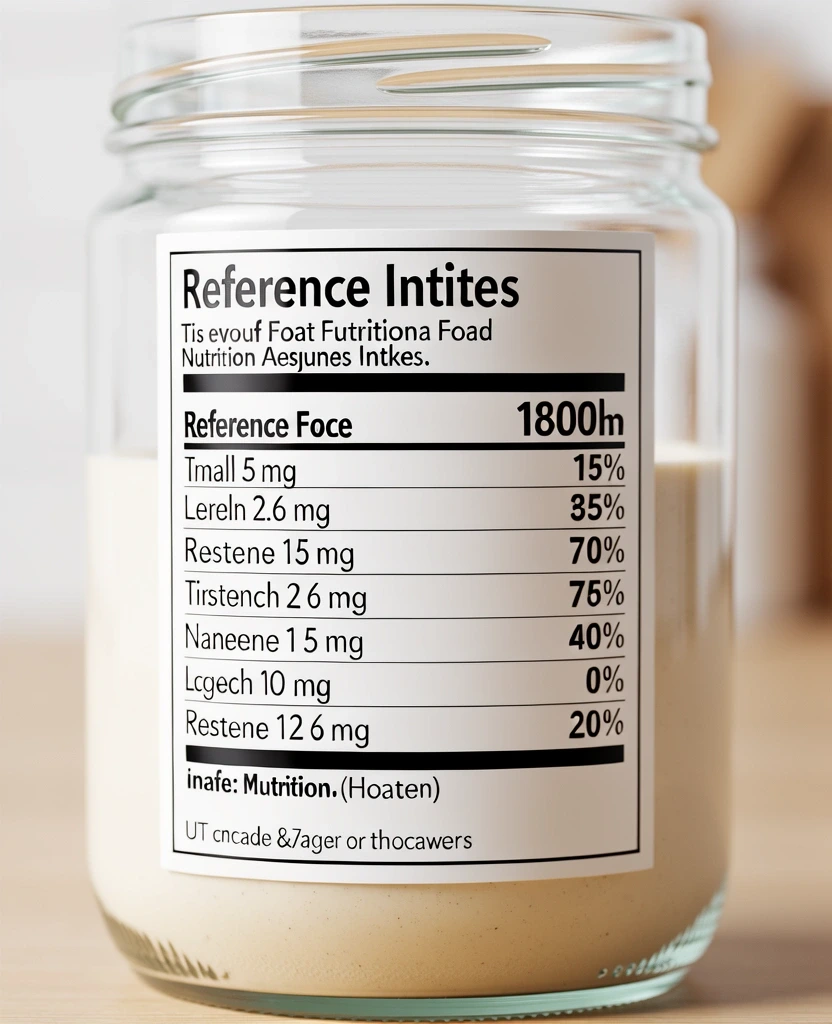
The landscape of food labeling in the UK is governed by strict statutory instruments, primarily the Food Information to Consumers (FIC) regulations. Our mission is to translate these technical requirements into actionable knowledge. To maintain our editorial policy, we follow a strict multi-layer verification path for every guide published on this hub. Every numerical value, percentage guideline, and ingredient classification is cross-referenced against official databases before it reaches your screen.
Official Sourcing
We rely exclusively on primary sources: the Food Standards Agency (FSA), Department of Health and Social Care (DHSC), and official UK Government digital archives. We do not use third-party "fit-tips" or unverified blog content.
Reference Intake Alignment
Our calculation examples for fats, saturates, sugars, and salt are meticulously mapped to the standard Reference Intake (RI) for an average adult (8,400 kJ/2,000 kcal), ensuring consistency across all educational modules.
Traffic Light Calibration
The "Red-Amber-Green" front-of-pack labeling system is interpreted based on the 100g/100ml thresholds set by current UK legislation, providing a reliable baseline for comparing packaged goods.
Quarterly Audits
Regulations change. Our team performs 90-day reviews of every page to account for updates in labeling requirements, such as new allergen highlighting rules or changes in "low fa" claim definitions.
The Verification Anatomy
To ensure our content provides high utility without crossing into medical territory, we apply a specific filter to every ingredient analysis and guide.
100%
Informational Focus
Legal Precision
We interpret the 'per portion' vs 'per 100g' discrepancy that often confuses shoppers. Our verification ensures we clearly define these metrics so you aren't misled by marketing-focused serving sizes.
- EU FIC 1169/2011 ADAPTED
- UK S.I. 2014/1855
Ingredient Clarity
Every ingredient list analysis we offer is audited for common labeling tricks, such as hidden sugars listed under different names. We verify terminology against current UK trading standards.
- NOMENCLATURE CHECK
- ALLERGEN COMPLIANCE
Claim Validation
When a label says "Light" or "No Added Sugar," we verify the exact legal requirement for that claim under UK law, educating you on what these marketing terms strictly mean.
- CLAIM THRESHOLD DATA
- ASA/CAP ALIGNMENT
Transparency in Practice
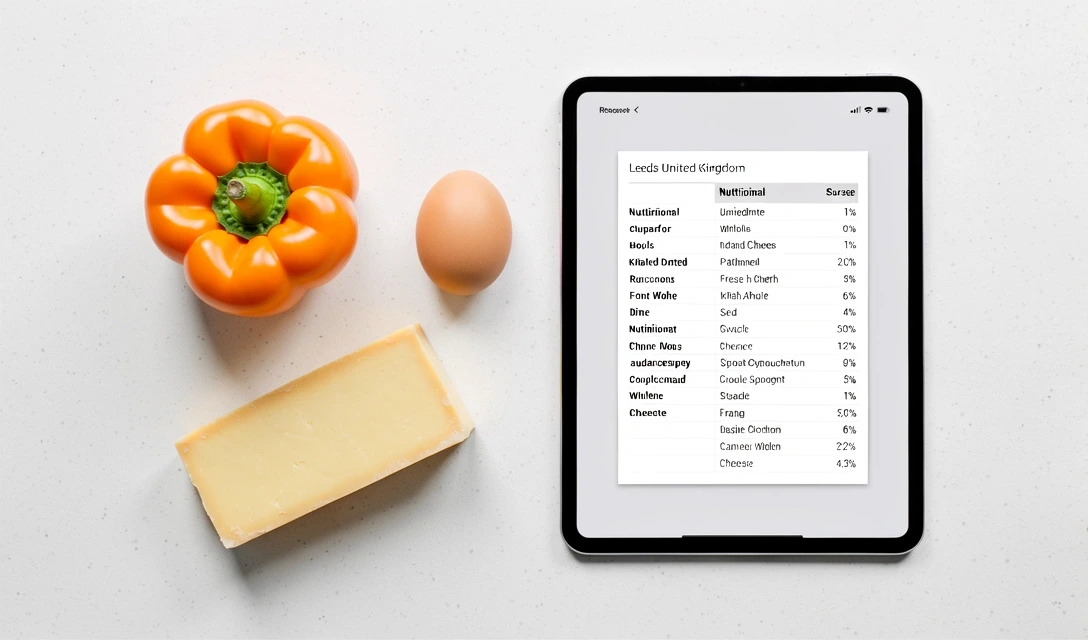
No Commercial Bias
We are not funded by food manufacturers. Our methodology is designed to prioritize the consumer's ability to read and understand data, not to promote specific brands or products.
Language Integrity
We strictly avoid medical claims. Our content is educational—it describes what is on the label and how to interpret the numbers, leaving health decisions and dietary management to qualified professionals.
Source Attribution
Where specific data points are cited, we anchor them in UK regulatory frameworks to ensure ad reviewers and readers can trace the validity of our educational guidance.
Primary Reference Architecture
External Contact
If you have questions regarding our verification methodology or would like to report a data discrepancy for review, please reach out to our standards team. We strive for 100% accuracy in our educational materials.
Ready to Decode Your Groceries?
Now that you know how we verify our data, use our tools to master the art of label reading for a more balanced lifestyle.